Fauna Universe
I originally planned to visit a different destination exclusively, but when a part of that itinerary fell through due to seasonal restrictions, I decided to pivot. I added a few days in the Galápagos Islands to my journey before continuing with the rest of my original plans. It turned out to be one of the best ideas of my life. As someone passionate about wildlife photography, I found the Galápagos to be an absolute goldmine - a true "Fauna Universe". Although I only spent a few days there, the sheer density of the wildlife made time feel like it stood still. Those few days felt like a lifetime because of the intensity of the experience. However, I know I must return for a much longer stay in the future, to witness even more of those endless moments in this magic place - the moments that leave me spellbound.
Most of us realize at least once in life that animals can be more loyal and pure-hearted than many people around us. If you have the chance to observe wildlife in their natural habitat, you see for yourself that the same is true for them. The difference is that they must fight for survival every single day, yet this struggle only strengthens the bond between those living together in the wild.
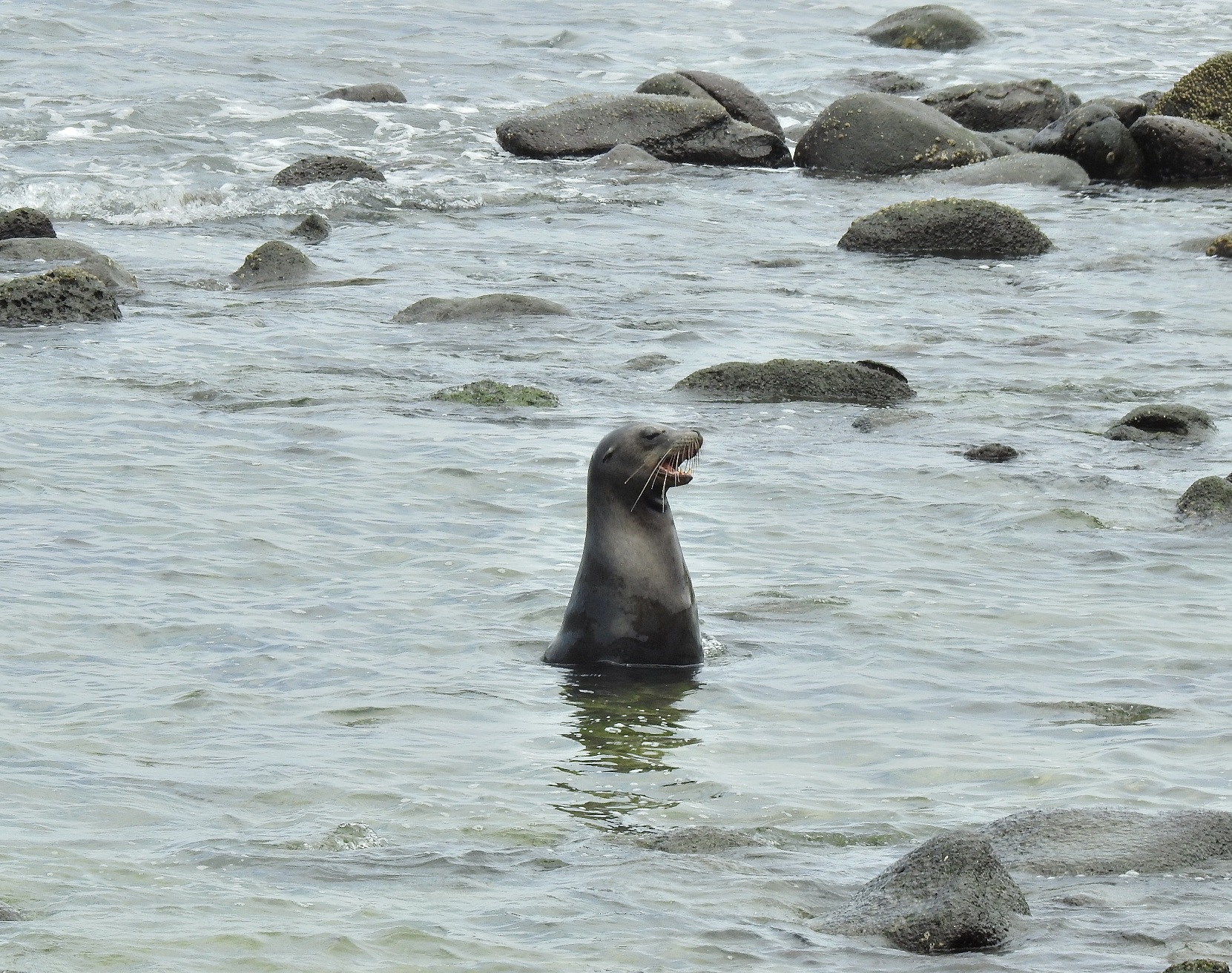
The Galápagos Islands offer a miracle: even beyond the uninhabited areas, in the heart of human settlements, you can witness wild sea lions playing freely along the promenades or lazily napping on public benches. You might stumble upon iguanas sunbathing on the pavement or patient, unhurried tortoises during a simple walk in certain areas. At this point on Earth, animals seamlessly blend into the rustic, man-made environment. One could say that while humans once took over their territory, the animals have returned, and now they live in harmony - supporting one another: people ensure their survival through conservation, while the animals, simply by existing, provide us with life-changing experiences. After all, let's not forget that the Galápagos is a sanctuary where people are dedicated to protecting this wildlife.
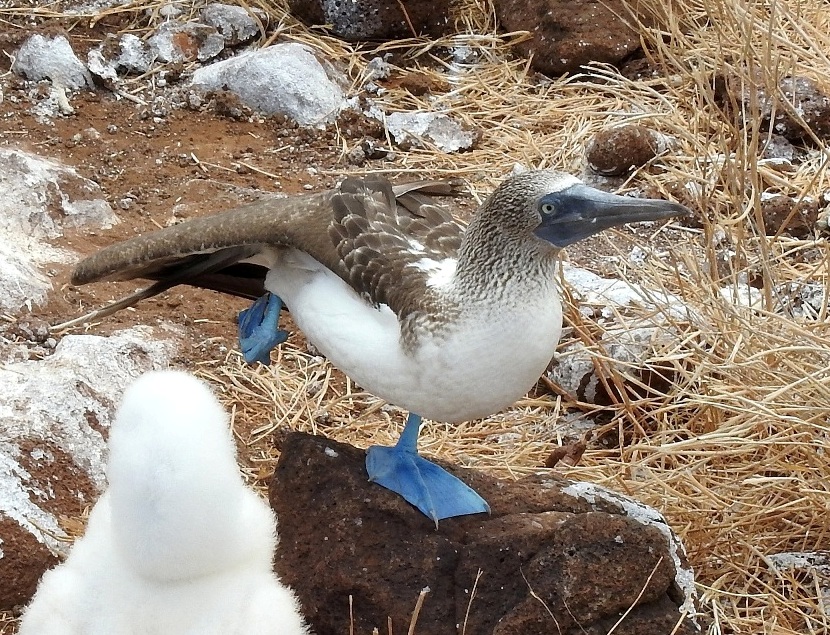
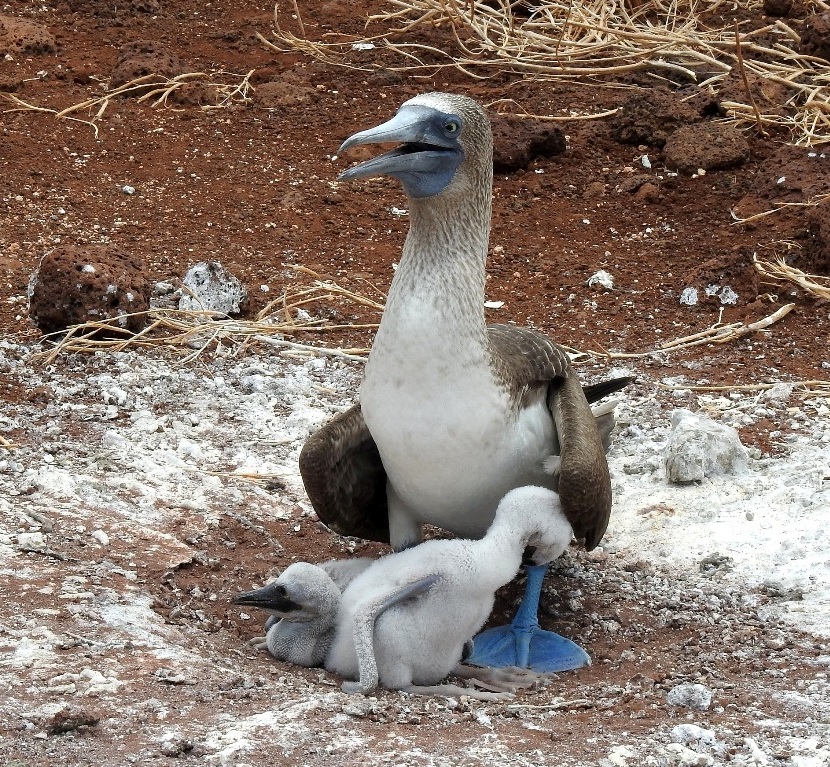
First, let me introduce you to the remarkable creatures of the Fauna Universe:
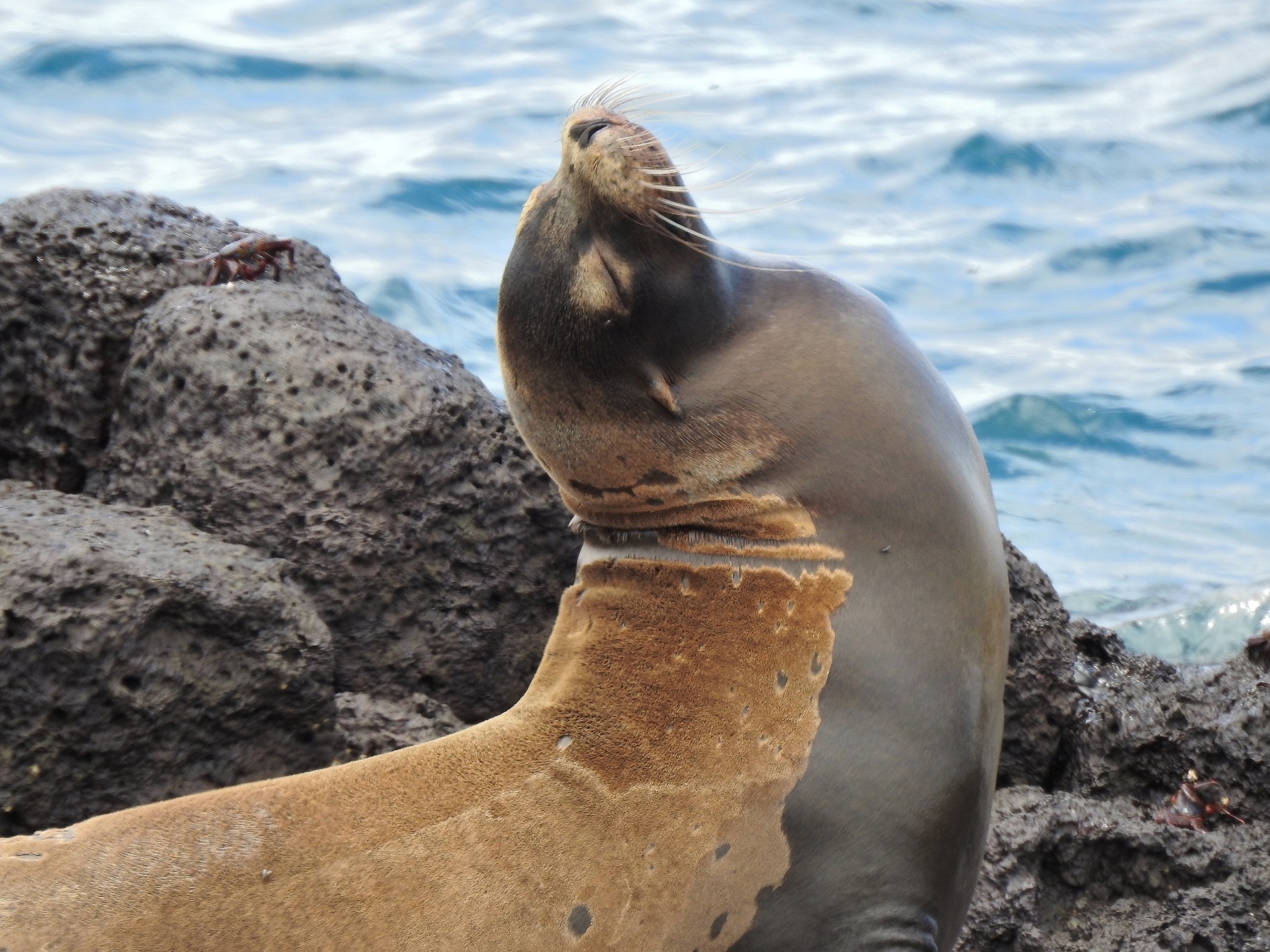
Next, since wildlife often provides really funny moments, let's see some hilarious scenes from a movie called "Fauna Universe", starring many talented actors who have a bright future ahead of them. To see the main screenshots of these scenes, just click the first picture, keep the mouse button clicked, and drag the mouse pointer to the left. (If you want to go back among the screenshots, click and drag to the right.)
In the opening scene (featuring 2 screenshots), the protagonist shifts from a state of total peace to a complete nervous breakdown.
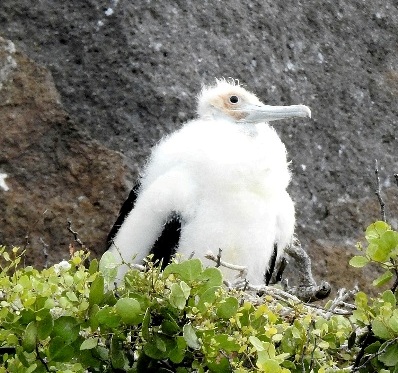
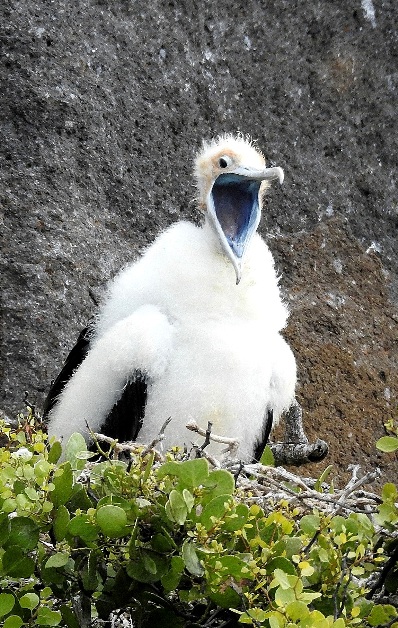
The next scene (featuring 2 screenshots) presents a case of cause and effect.
The scene below captures a beachside drama in 3 acts.
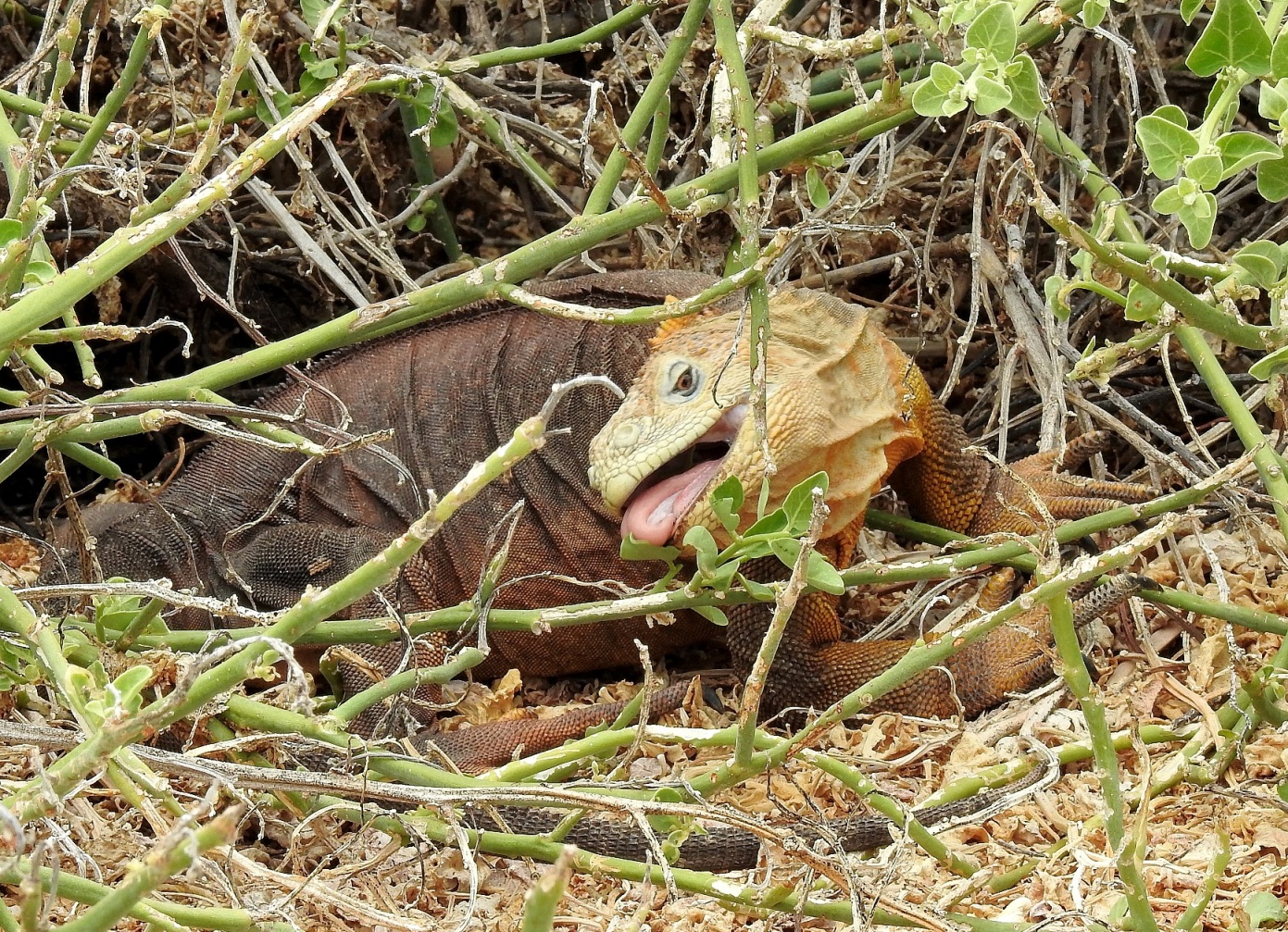
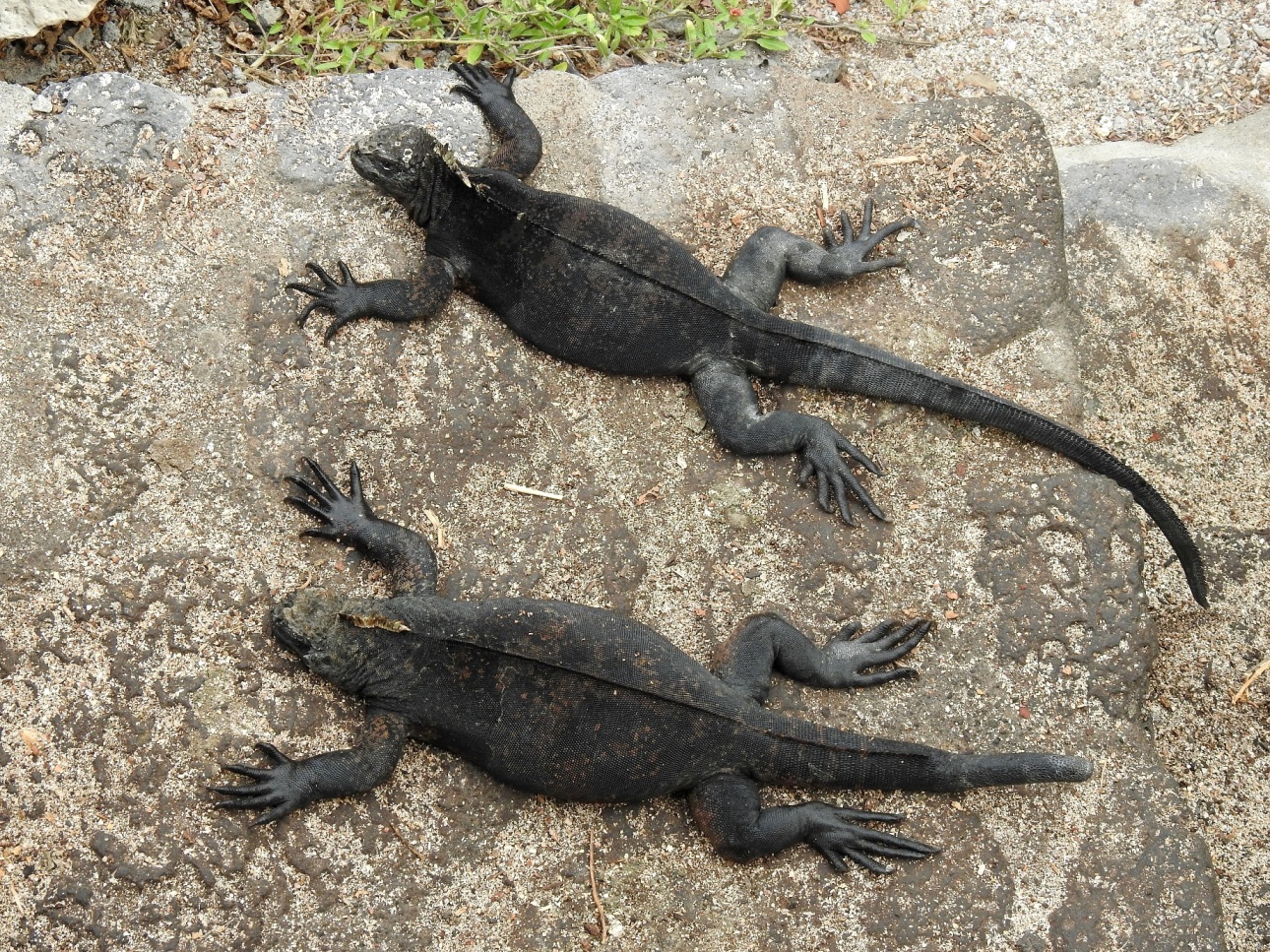
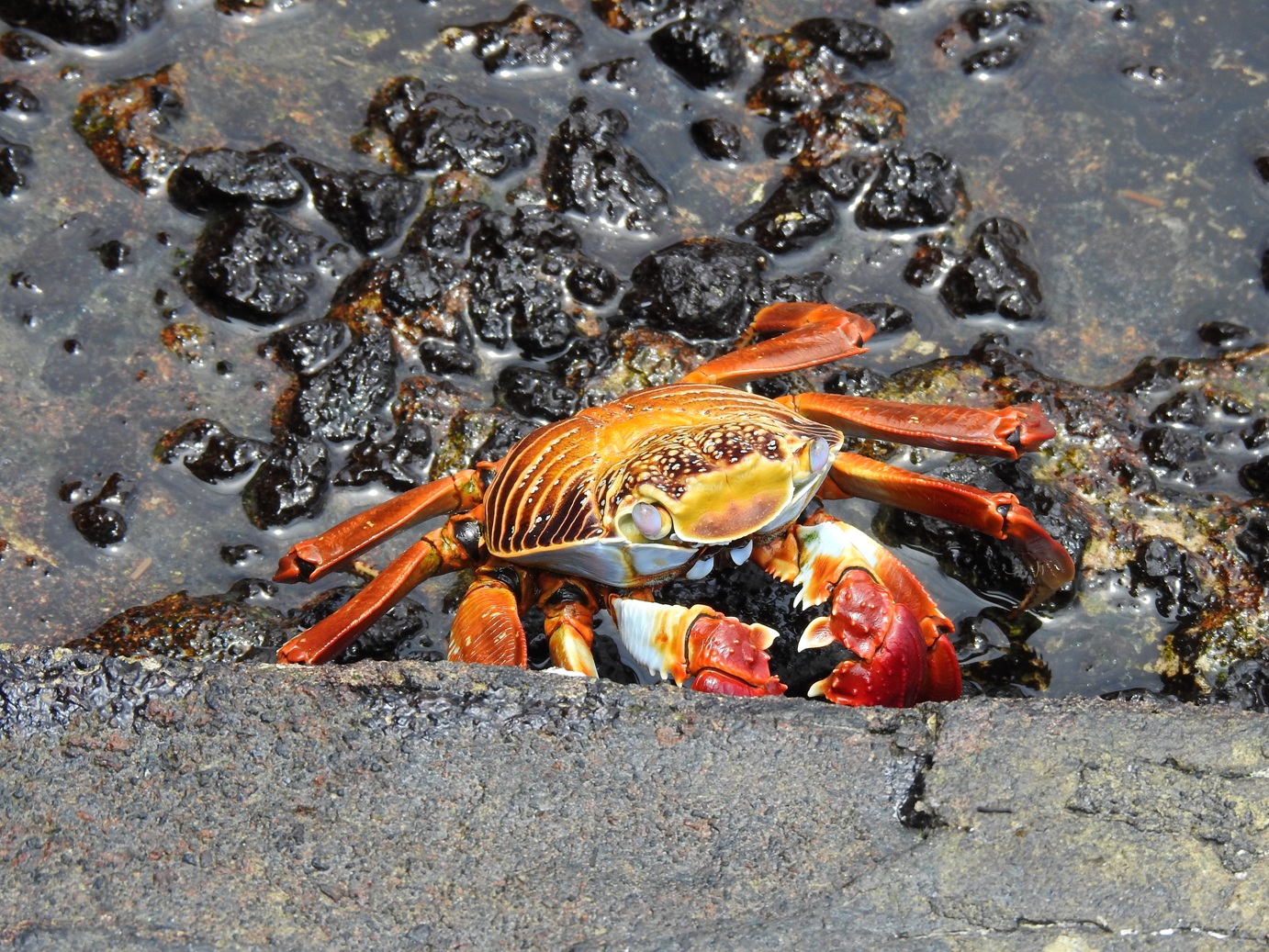
The last scene (featuring 2 screenshots) ends in a communication breakdown: two suddenly silent iguanas and a crab having a mid-life crisis.